Beginner Tips for Composting at Home: Easy Steps to Get Started
Composting at home is an excellent way to reduce kitchen and garden waste while creating nutrient-rich soil for your plants. If you are new to composting, it might seem a bit overwhelming at first. However, with a few simple steps and some patience, you can turn your scraps and yard waste into valuable compost. This guide will walk you through beginner tips to get your home composting journey started successfully.
What is Composting?
Composting is the natural process of recycling organic matter, such as food scraps and yard waste, into a dark, nutrient-rich soil amendment. Compost improves soil structure, provides essential nutrients for plants, and helps retain moisture. It also reduces the amount of waste that ends up in landfills.
Why Compost at Home?
– Reduces waste: Diverts organic material from the trash.
– Improves soil: Adds nutrients and beneficial microbes.
– Saves money: Reduces the need for chemical fertilizers.
– Supports the environment: Lowers greenhouse gas emissions.
Getting Started with Composting: Equipment and Space
You don’t need anything fancy to start composting. Here are some basics to consider:
– Compost bin: You can use a store-bought compost bin, a homemade wooden box, or simply a pile in your backyard.
– Location: Choose a dry, shaded spot with good air circulation.
– Tools: A garden fork or shovel to turn the compost, a water source for moisture.
What Can You Compost? Understanding Green and Brown Materials
Successful composting requires a balance of “green” and “brown” materials:
– Green materials: These are rich in nitrogen. Examples include fruit and vegetable scraps, coffee grounds, grass clippings, and fresh garden waste.
– Brown materials: These provide carbon. Examples include dry leaves, shredded newspaper, cardboard, straw, and small branches.
Tips for Balancing Materials:
– Aim for about 2-3 parts brown materials to 1 part green materials.
– Too much green material can make the pile smell.
– Too much brown material can slow down decomposition.
How to Build Your Compost Pile
- **Start with a base layer:** Add coarse materials like twigs or straw to promote airflow.
- **Alternate layers of greens and browns:** This layering helps maintain balance.
- **Keep the pile moist:** The compost should feel like a wrung-out sponge—damp but not soggy.
- **Turn the pile regularly:** Every 1-2 weeks, use a garden fork to mix the compost, which adds oxygen and speeds up the process.
Troubleshooting Common Composting Issues
– Pile smells bad: Usually means too much green material or moisture. Add more brown materials and turn the pile.
– Pile is dry and slow decomposing: Add water and more green materials.
– Attracting pests: Avoid adding meat, dairy, or oily foods. Use a closed compost bin or bury food scraps deeper in the pile.
Using Your Finished Compost
After a few months, your pile should turn into dark, crumbly compost with an earthy smell. You can use it in many ways, such as:
– Mixing into garden soil to improve fertility.
– As mulch around plants to retain moisture.
– In potted plants as an organic soil amendment.
Additional Tips for Beginners
– Chop or shred materials before adding them to speed up decomposition.
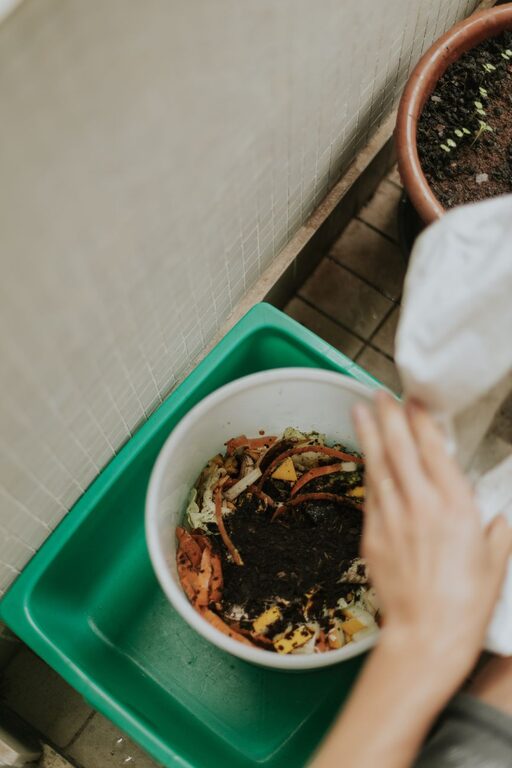
– Keep a small kitchen compost bin to collect scraps easily.
– Start small and gradually increase your compost volume.
– Be patient—composting can take anywhere from a few weeks to several months.
Final Thoughts
Composting at home is a rewarding activity that benefits your garden and the planet. By following these beginner tips, you can create your own compost with minimal effort. Start today, and soon you’ll enjoy healthy plants and reduce household waste with your very own eco-friendly practice.
Happy composting!