Tips for Keeping Kids’ Art Organized and Clutter-Free
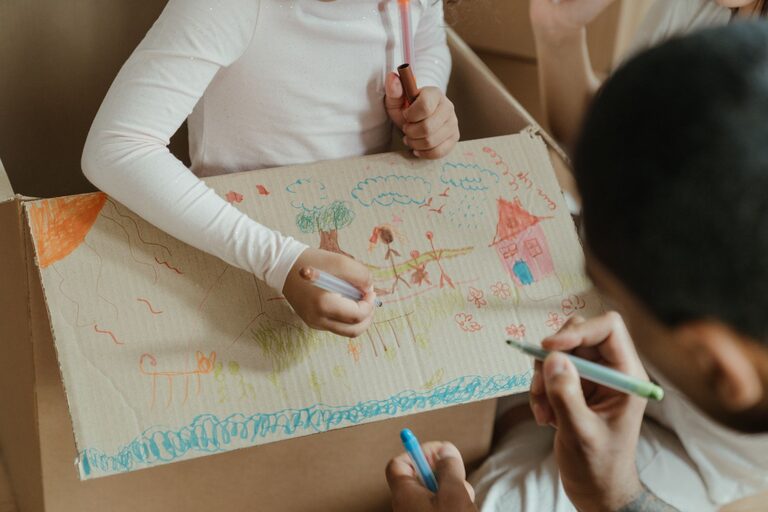
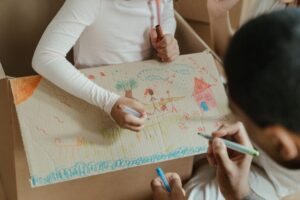
Children’s artwork is a wonderful expression of their creativity and imagination. From colorful drawings and paintings to fun crafts, their masterpieces can quickly pile up and create clutter around the house. Keeping kids’ art organized not only preserves these precious memories but also helps maintain a tidy space that everyone can enjoy.
In this post, we’ll explore practical tips and ideas for organizing your child’s artwork, making it easy to store, display, and revisit their creative projects without stress.
Why Organize Kids’ Artwork?
Before diving into organizing strategies, it’s worth thinking about why it matters. Some good reasons include:
– Preserving memories: Artwork helps capture your child’s development, interests, and personality over time.
– Reducing clutter: Art projects can take up a lot of space if not managed properly, leading to a cluttered home.
– Encouraging creativity: Having a designated place for art inspires kids to create more.
– Teaching organization: Involving kids in the process teaches valuable skills like sorting and decision-making.
Tips for Organizing Kids’ Art
1. Create a Dedicated Art Space
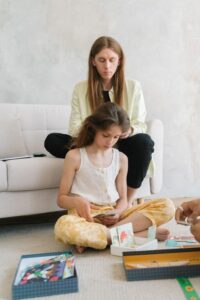
Set up an area in your home where your kids can comfortably create and keep their art. This might be a corner of a room, a small table, or a craft station. Having a designated spot helps contain supplies and finished pieces.
2. Use Storage Bins and Folders
To keep artworks safe and organized, consider using:
– Flat storage bins: These are perfect for larger paintings or collage projects.
– Expandable folders: Great for sorting drawings by date or theme.
– Plastic sleeves: Protect delicate or special pieces inside binders.
Label the containers clearly, making it easy to find specific items later.
3. Display Art Creatively
Displaying your child’s work not only boosts their confidence but also decorates your home with personal touches. Some display ideas include:
– Gallery wall: Frame or clip several pieces and rotate them regularly.
– String and clips: Hang a string or wire and use clothespins to showcase drawings.
– Bulletin boards: Pin up art in an easy-to-change way.
– Digital frame: Scan or photograph artwork and use a digital photo frame.
4. Digitize to Save Space
If physical storage is a challenge, digitizing artwork is a fantastic alternative. Here’s how:
– Take photos or scan the art.
– Organize digital files into folders by year or theme.
– Create digital photo books or slideshows.
– Share digitally with family and friends.
Digitizing lets you keep the memories without the physical clutter.
5. Set Limits and Sort Regularly
Kids can produce a lot of artwork, so setting limits helps manage it better:
– Decide with your child how many pieces to keep each week or month.
– Sort through art regularly, involving your child in deciding what to keep, recycle, or gift.
– Keep the most meaningful or best examples, and consider recycling or repurposing others.
6. Repurpose Art Projects
Art doesn’t have to stay as it is. You can transform it into something new:
– Use artwork as wrapping paper or greeting cards.
– Create a scrapbook combining art with photos and notes.
– Turn favorite pieces into calendars or posters.
This way, art continues to bring joy in new forms.
7. Create an Art Journal or Portfolio
Bind a selection of artworks into a scrapbook or portfolio book. This helps preserve pieces neatly and allows for easy viewing. Encourage kids to write notes or dates on each page to document their progress.
8. Involve Kids in the Process
Make organizing a fun activity by involving your children. Let them:
– Choose which pieces to display or keep.
– Help label folders or bins.
– Assist in digitizing or repurposing projects.
Giving them ownership teaches responsibility and makes the process enjoyable.
Final Thoughts
Keeping kids’ art organized doesn’t have to be overwhelming. With a few simple habits and creative solutions, you can cherish your child’s creative journey while maintaining a tidy home. Remember, the goal is to celebrate creativity and memories—not to keep every single piece. Find what works best for your family, and enjoy the colorful world your children bring into your life.
Happy organizing!