
A Beginner’s Guide to Stretching at Home
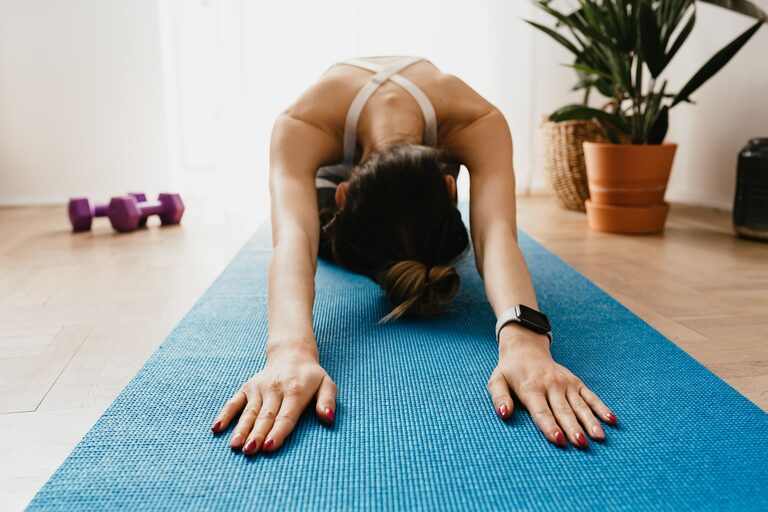
Stretching is a simple yet powerful way to improve your flexibility, reduce muscle tension, and promote overall physical and mental well-being. Whether you’re new to exercise or looking to add a gentle routine to your day, stretching at home can be an accessible and rewarding practice. This guide will walk you through everything you need to get started safely and confidently.
Why Stretching Matters
Stretching helps increase blood flow to muscles, enhances range of motion, and can reduce the risk of injury. It also promotes relaxation and can help alleviate stress. For beginners, stretching is an ideal way to ease into a more active lifestyle without the need for special equipment or a gym.
Getting Ready: What You Need
Before starting, make sure you have:
– A comfortable, quiet space with enough room to move.
– A yoga mat or soft surface to protect your joints.
– Comfortable clothing that allows free movement.
– A water bottle nearby to stay hydrated.
Best Practices for Beginners
Warm Up First
Stretching cold muscles can lead to injury. Spend 5–10 minutes warming up with light activity like walking in place or gentle arm swings.
Stretch Slowly and Gently
Ease into each stretch slowly, and hold it without bouncing. Aim for a mild tension, not pain. If you feel discomfort, ease off slightly.
Focus on Breathing
Breathe deeply and evenly. Proper breathing helps oxygenate muscles and promotes relaxation.
Hold Each Stretch
Hold stretches for at least 15–30 seconds. Repeat each stretch 2–3 times.
Stretch Both Sides
Remember to stretch both sides of your body evenly to keep balance.
Simple Stretching Routine for Beginners
Here’s a basic routine that targets major muscle groups. Perform this 2–3 times a week or daily if you wish.
Neck Stretch
– Sit or stand tall.
– Slowly tilt your head toward your right shoulder until you feel a stretch on the left side.
– Hold for 20 seconds, then switch sides.
Shoulder Stretch
– Bring your right arm across your chest.
– Use your left hand to gently pull your right arm closer.
– Hold for 20 seconds and switch arms.
Chest Opener
– Clasp your hands behind your back.
– Straighten your arms and gently lift your chest.
– Hold for 20–30 seconds.
Cat-Cow Stretch (Spine Mobility)
– Start on all fours with your wrists under shoulders and knees under hips.
– Inhale and arch your back (cow position), lifting your head and tailbone.
– Exhale and round your spine (cat position), tucking your chin and pelvis.
– Repeat 5 times slowly.
Seated Forward Fold
– Sit with legs extended straight.
– Hinge at the hips and reach towards your toes.
– Hold for 20–30 seconds, keeping your back as flat as comfortable.
Hip Flexor Stretch
– Kneel on your right knee with your left foot forward, knee bent at 90 degrees.
– Shift your weight forward gently to stretch the front of your right hip.
– Hold for 20 seconds, then switch sides.
Hamstring Stretch
– Stand with one foot slightly forward.
– Keep your leg straight and bend at the hips until you feel a stretch behind your thigh.
– Hold for 20 seconds, then switch legs.
Calf Stretch
– Stand facing a wall.
– Place your hands on the wall and step back with one foot.
– Keep the back leg straight and heel down.
– Hold for 20 seconds, then switch sides.
Tips to Stay Motivated
– Set a regular stretching time—morning or evening.
– Listen to calming music or nature sounds.
– Track your progress by noting improvements in flexibility.
– Combine stretching with other low-impact activities like walking or cycling.
When to Be Cautious
– Avoid stretching injured or inflamed areas.
– If you have chronic conditions or severe pain, consult a healthcare professional before starting.
– Stop immediately if you feel sharp pain or dizziness.
Conclusion
Stretching at home is a convenient and effective way to care for your body and mind. With just a little time and patience, you can build a simple routine that improves flexibility, reduces tension, and enhances your daily comfort. Remember, consistency is key—start slow, listen to your body, and enjoy the benefits of stretching.
Feel free to share your progress or questions in the comments below!